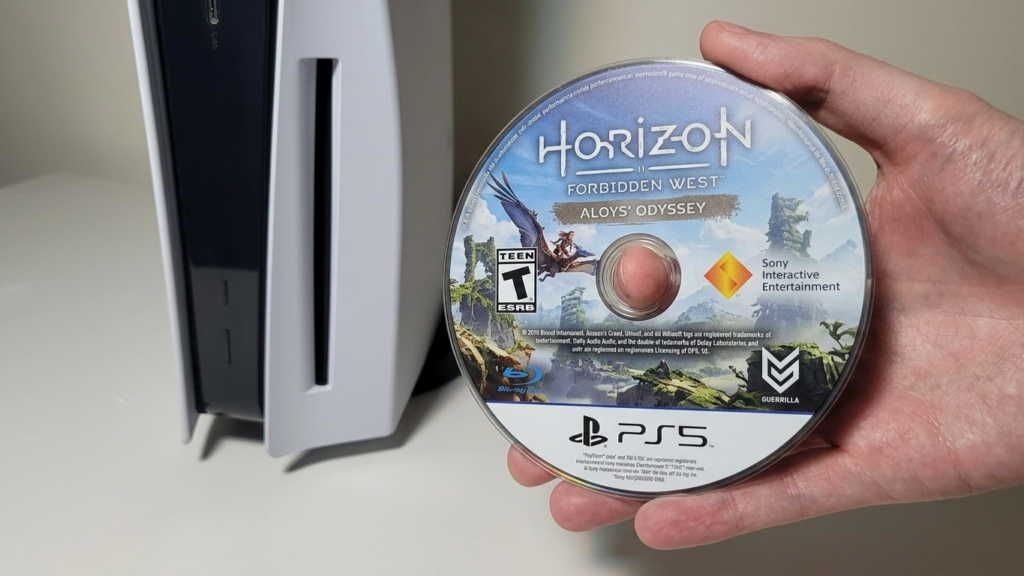



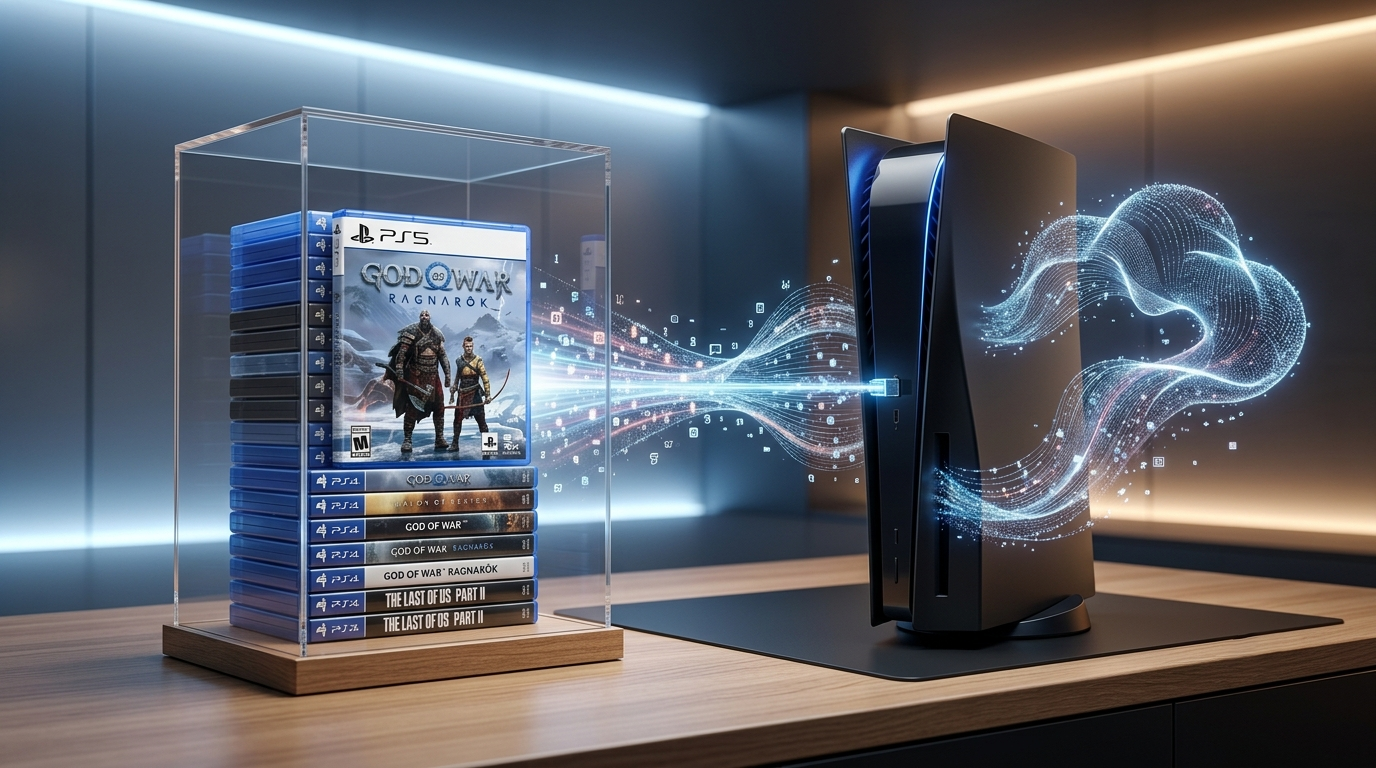
The landscape of console gaming is shifting under our feet. With Sony’s recent announcement that it will cease the production of physical game discs for all new PlayStation titles starting in January 2028, we are witnessing the sunset of a medium that has defined the hobby for decades.
As we look toward this all-digital horizon, it’s worth unpacking what this shift truly means for the player, the collector, and the future of the industry.
The Death of the Disc: Why Now?
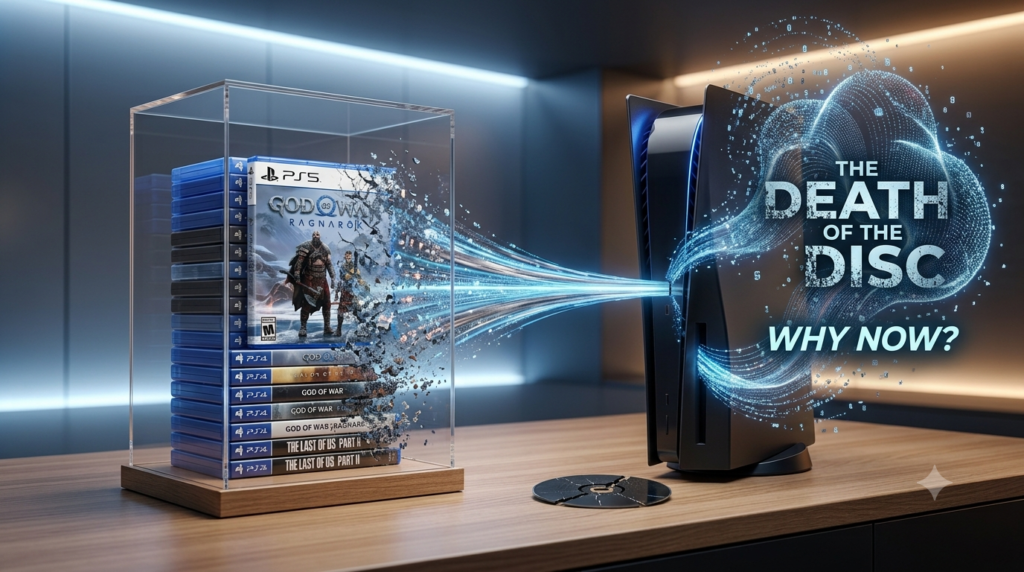
Sony’s decision didn’t happen in a vacuum. Industry trends have been leaning this way for years. According to Sony, the preference for digital media has significantly outpaced physical sales, with digital transactions accounting for over 80% of their recent revenue.
From a business perspective, the logic is clear: removing physical production, shipping, and retailer margins drastically increases profit margins. For the consumer, it offers the convenience of “instant” play, but it also fundamentally changes the nature of our libraries.
The “Ownership” Paradox
The most significant tension in this shift lies in the concept of ownership. When you buy a physical disc, you hold a tangible piece of software that—while subject to terms of service—is yours to keep, lend, or trade.
In an all-digital ecosystem, you aren’t buying a product; you are purchasing a revocable license. If a digital storefront shuts down, a publisher loses distribution rights, or an account is compromised, your library can theoretically disappear. This has already sparked massive debate regarding:
-
Game Preservation: Without physical backups, how will future generations experience the titles of today?
-
The Secondary Market: The ability to trade, sell, or buy used games will vanish, effectively locking consumers into a single, proprietary marketplace where pricing is dictated solely by the platform holder.
A Look Toward the PS6 and Beyond
The consensus among industry analysts is that this move is the final nail in the coffin for the optical disc drive in future hardware. The PlayStation 6 will almost certainly be a disc-less console.
While this may lead to sleeker hardware and potentially lower manufacturing costs for consoles, it raises the “cost of entry” for gamers. Without the ability to buy discounted pre-owned games or swap titles with friends, the barrier to entry for a new generation of players—particularly in markets where secondary markets are vital—becomes significantly higher.
The Silver Lining?
It isn’t all gloom. For those who prioritize convenience, the digital-only future is already here. We’ve seen how PC gaming thrived under this model, utilizing digital-only stores to offer deep, frequent sales that often outpace the savings found at physical retail outlets. If Sony leans into competitive pricing and robust digital infrastructure, the experience could be smoother than ever.
However, for the collector who loves the ritual of browsing a game shelf or the casual player who relies on the used-game economy, this transition marks a major loss of agency.
Final Thoughts
As we count down to 2028, the industry is sending a clear message: the future of gaming is a service, not a collection. Whether this change is a natural evolution or a “walled garden” that limits consumer choice will be determined by how players adapt and how much pushback we see from the community.
One thing is certain: the way we buy, share, and preserve our games is changing forever.
This video provides an insightful look at how the shift to digital-only consoles impacts the industry and why many gamers are concerned about the future of physical media.